Toy Testing and Certification

Toy testing for safe and child-friendly products
From the smallest building block to model trains – the safety of their children’s toys is a top priority for parents. To provide an independent documentation of your products’ high quality and give your customers the information they need to make informed purchasing decisions, we offer comprehensive one-stop testing services.
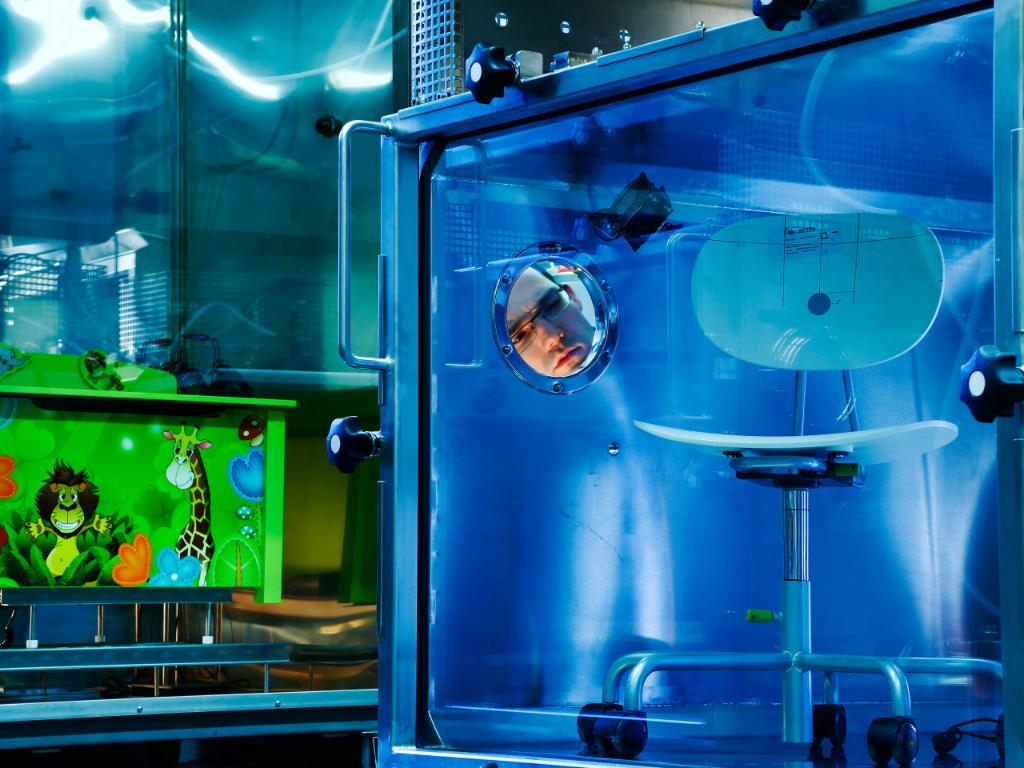
Our experts test and certify your toys for compliance with the relevant national and international toy safety standards. We also conduct international certifications in accordance with ISO standards.
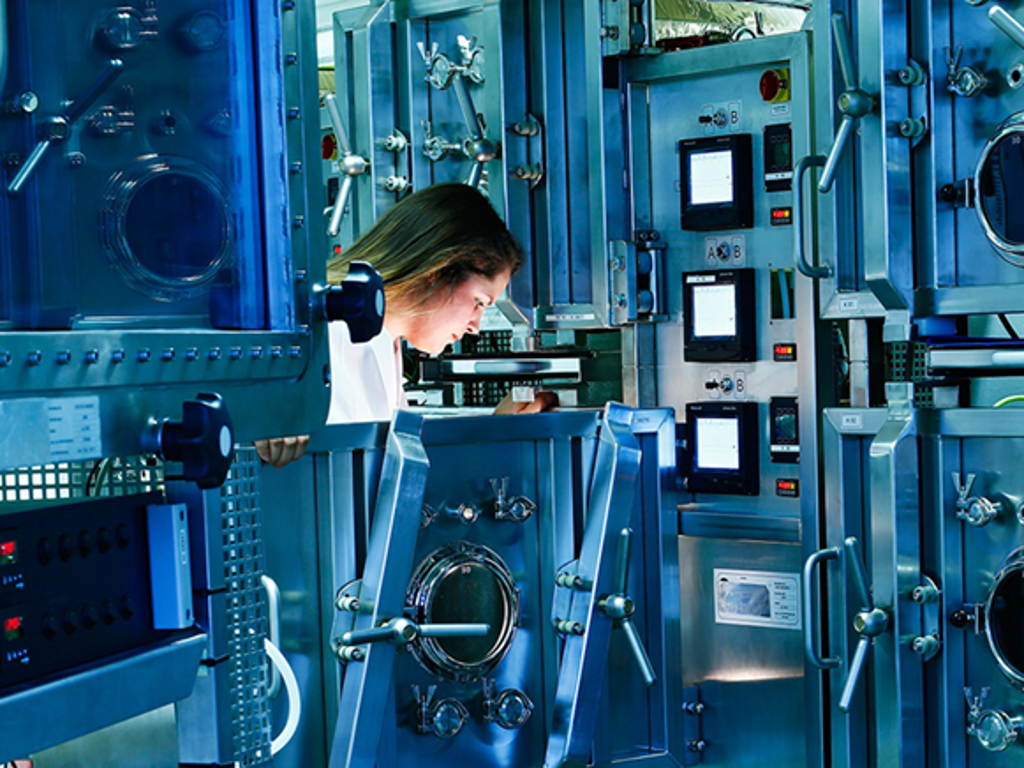
You will benefit from our state-of-the-art laboratories, which are designed for maximum efficiency. Thanks to our extensive network of experts, we ensure fast turnaround times, allowing you to continue focusing on your core business.
Would you like to have your product tested and certified? Contact us now to learn about our toy testing services!
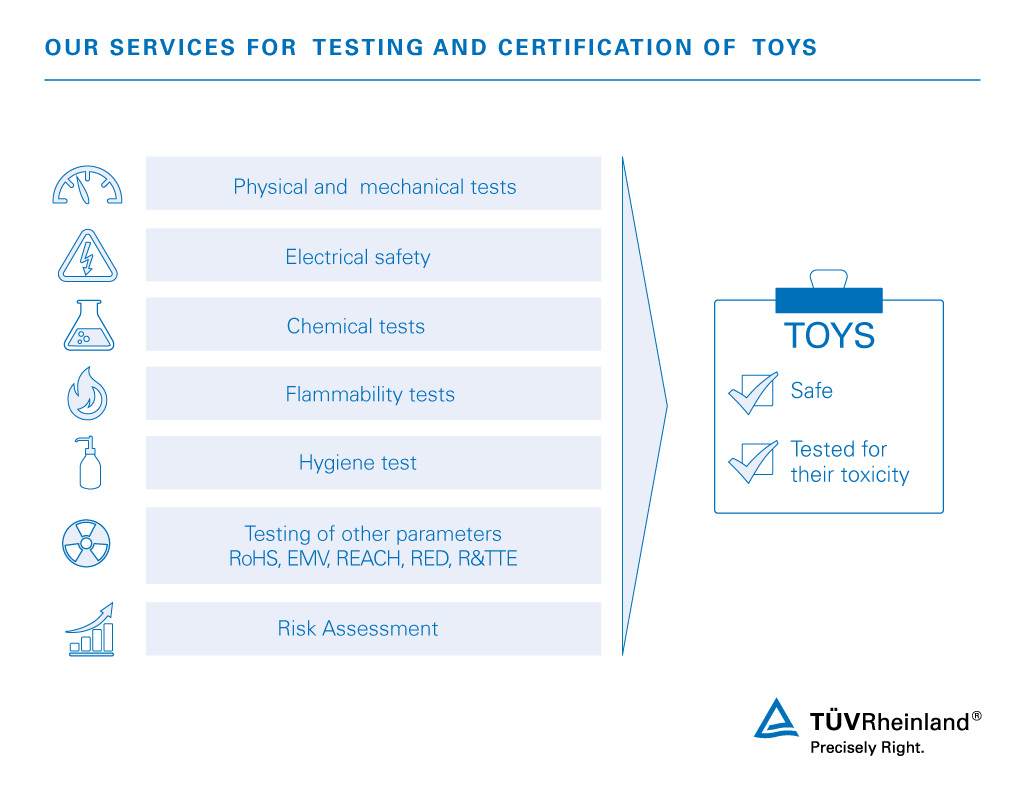
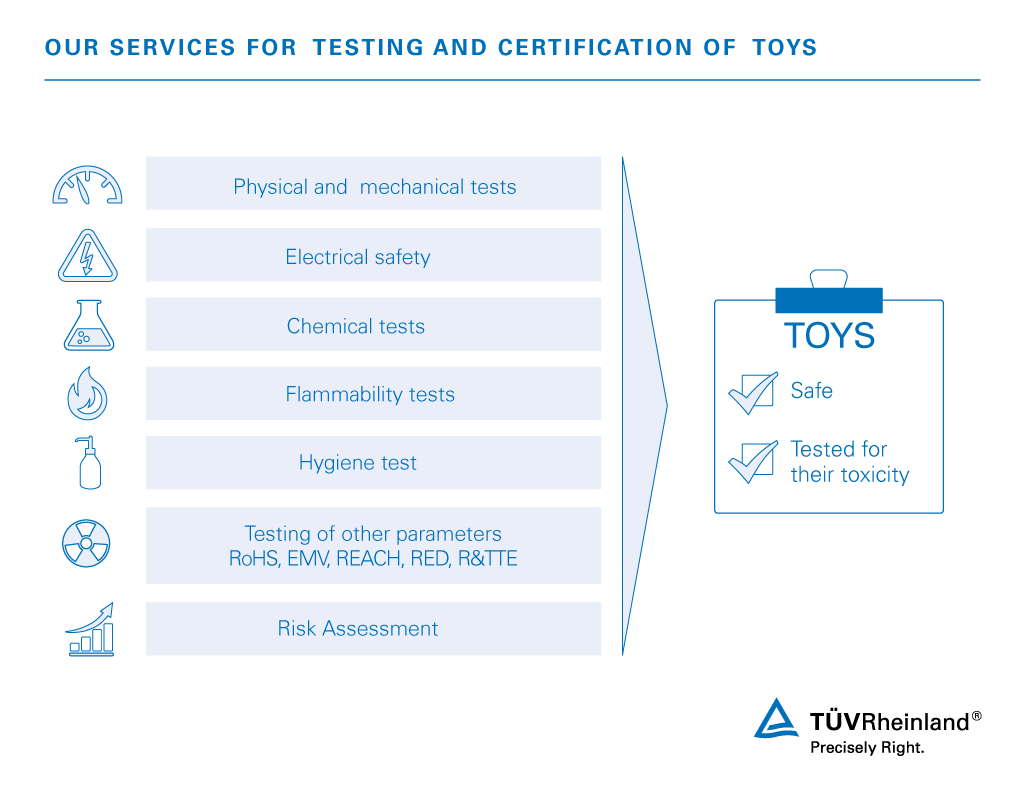
As part of our toy testing and certification, we offer the following services
Benefit from our toy expertise
Draw on our long-standing expertise and strengthen your competitive position with us by your side. Our test marks enable you, as a toy manufacturer or importer, to verify the safety and quality of your products.
Thanks to our many years of active involvement in toys-related industry committees, our experts stay closely connected to market developments and can provide you with optimum support.
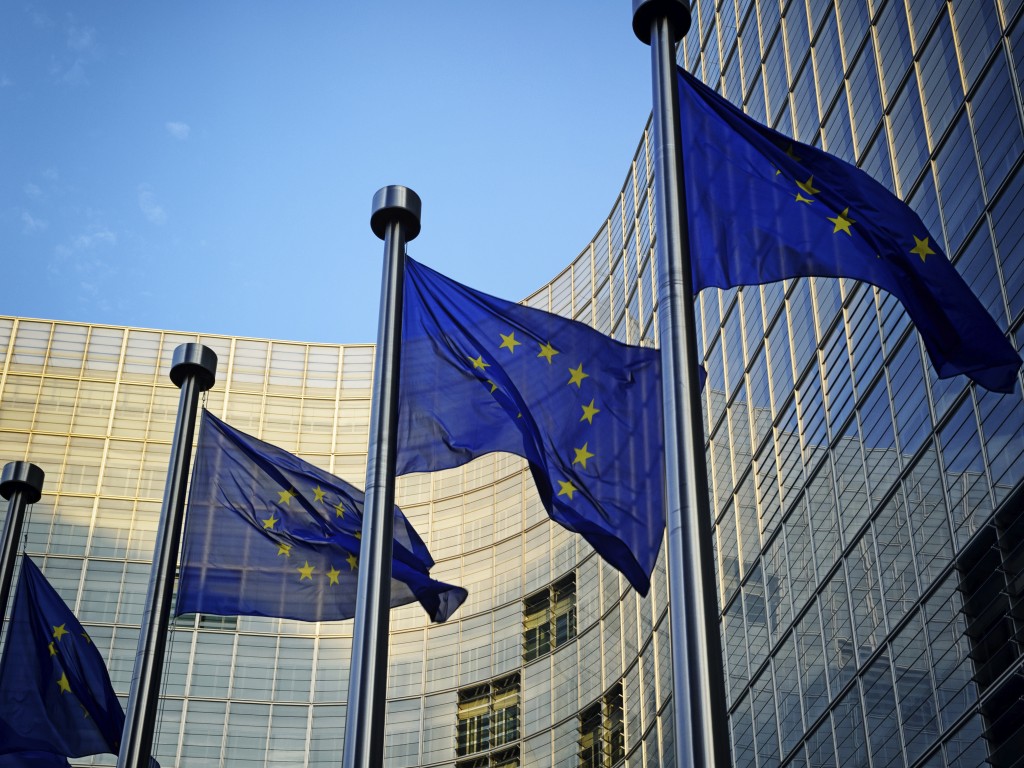
The EU’s new Toy Safety Regulation (EU) 2025/2509 – Prepare for the transition now
On December 12, 2025, the EU’s new Toy Safety Regulation [Regulation (EU) 2025/2509] was published in the Official Journal of the European Union. It replaces the previous Toy Safety Directive 2009/48/EC and creates a legally binding framework for toy safety across the EU.
The publication of the regulation has now established the legal foundation. In the coming years, the requirements will be gradually further specified and codified as harmonized standards. These standards may also form the basis for future new testing procedures. Until the relevant standards are adopted, product testing will continue to be conducted based on the existing standards under the Toy Safety Directive.
Even though full enforcement of the new regulation is not required until August 1, 2030, companies should begin familiarizing themselves with the new requirements already now. The changes are extensive and will likely require adjustments to materials, product design, documentation, and supply chains.
Key changes introduced by the Toy Safety Regulation
The regulation introduces several changes, including :
- Stricter requirements for chemical substances
New bans and restrictions apply to groups of substances such as bisphenols, PFAS (“forever chemicals”), and allergy-inducing fragrances. Endocrine disruptors and certain substances that cause sensitization of the respiratory tract and skin are generally prohibited for use in toys. - Digital Product Passport (DPP)
In the future, all toys will be required to have a digital product passport, which makes critical compliance and safety information – such as CE marking, relevant test reports, and other supporting documentation – digitally available and accessible to customers. - New compliance requirements for online marketplaces
Online retail will be more heavily regulated. Platform operators must ensure that their platforms do not offer non-compliant products and that the CE marking, warning labels, and the Digital Product Passport are clearly visible to customers.
Certain risk-related provisions have already been in effect since January 1, 2026. Full enforcement of the regulation is required by August 1, 2030.
Prepare in advance and reduce risks
With our testing and certification services, we help you prepare for the requirements of the new Toy Safety Regulation (EU) 2025/2509 – from chemical and mechanical testing to risk assessments and preparations for the Digital Product Passport. Get started early to ensure your readiness for the European market.
Boost customer confidence – with the support of our experts
Our toy testing and certification services ensure that your products meet the requirements of the relevant legal regulations and standards. This enables you to stay competitive in the market while also reducing the risk of costly product recalls. With our recognized test mark , you strengthen confidence in your products and provide your customers with guidance for making informed purchasing decisions.
In addition to our core services in the toy sector, we also offer other services such as Market Access Service, data protection, and Wireless Testing.
TÜV Rheinland certifies the play quality of your product
Does a toy actually live up to its promises in terms of quality? Consumers are regularly faced with this question. After all, in addition to safety considerations, the purchasing decision also hinges on whether a toy is made in a way that ensures, for example, long-term enjoyment or whether it stands out for its age-appropriate design and functionality. With our “Play Performance” certification, we offer consumers a trustworthy tool to help them make informed decisions.
Our “Play Performance” certification mark stands for holistic quality
The experts at TÜV Rheinland have thoroughly examined the question of what criteria a truly high-quality toy must meet. The result is the comprehensive “Play Performance” requirements catalog. This catalog is designed to ensure a holistic testing and evaluation of submitted products, covering everything from manufacturing characteristics and assembly to handling and durability, all the way to the product claims on the packaging. And only if a toy performs convincingly overall will it be awarded our “Play Performance” certificate.
Take advantage of this service to verify the quality of your product and, above all, to strengthen your market position. After all, the product quality we objectively certify bolsters general trust in your brand and increases the likelihood that purchasing decisions will be made in your favor.
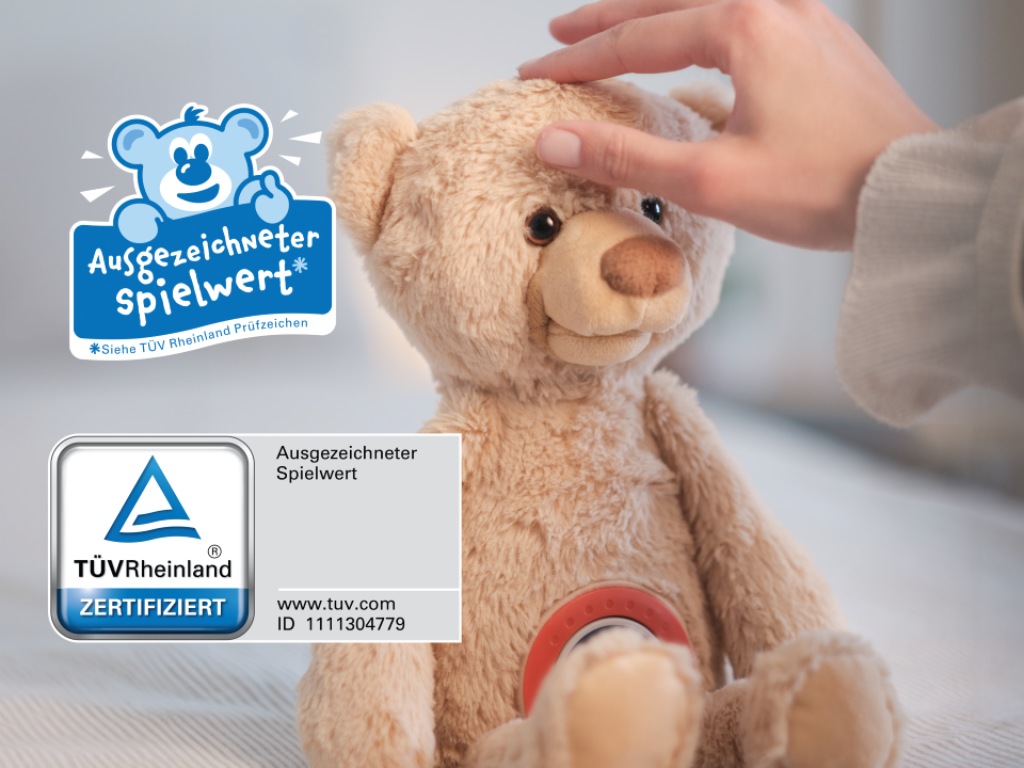
Excellent Play Value – Confirmed by TÜV Rheinland's official certificate
The toy market is becoming increasingly diverse, and the range of products is huge. Consumers often find it difficult to judge which products promote child development and therefore offer true value. TÜV Rheinland's test mark, featuring the keyword “Excellent Play Value” provides insight into a toy's educational value.
Guidance for purchasing toys with educational value
For the new certificate, TÜV Rheinland experts worked together with psychologists and educators to develop a minimum standard and a comprehensive testing framework that goes beyond mechanical and chemical testing. The testing framework includes, for example, a separate weighting of individual assessment criteria for each age group. Among other things, the testing process takes into account whether a toy promotes the development of motor skills, language skills, or social interactions with other players. Other aspects include the formation of identity, self-control, or the strengthening of self-confidence through play, as well as cognitive aspects such as the development of creativity or memory, and the motivation to play again.
The requirement for a play value certification is the conformity of the toy with the Toy Safety Regulation (EU) 2025/2509.
Display our test marks to showcase the quality and value of your toys to potential customers. Contact us now for your non-binding quotation!
Safe Toys – Tested Globally According to Relevant Standards
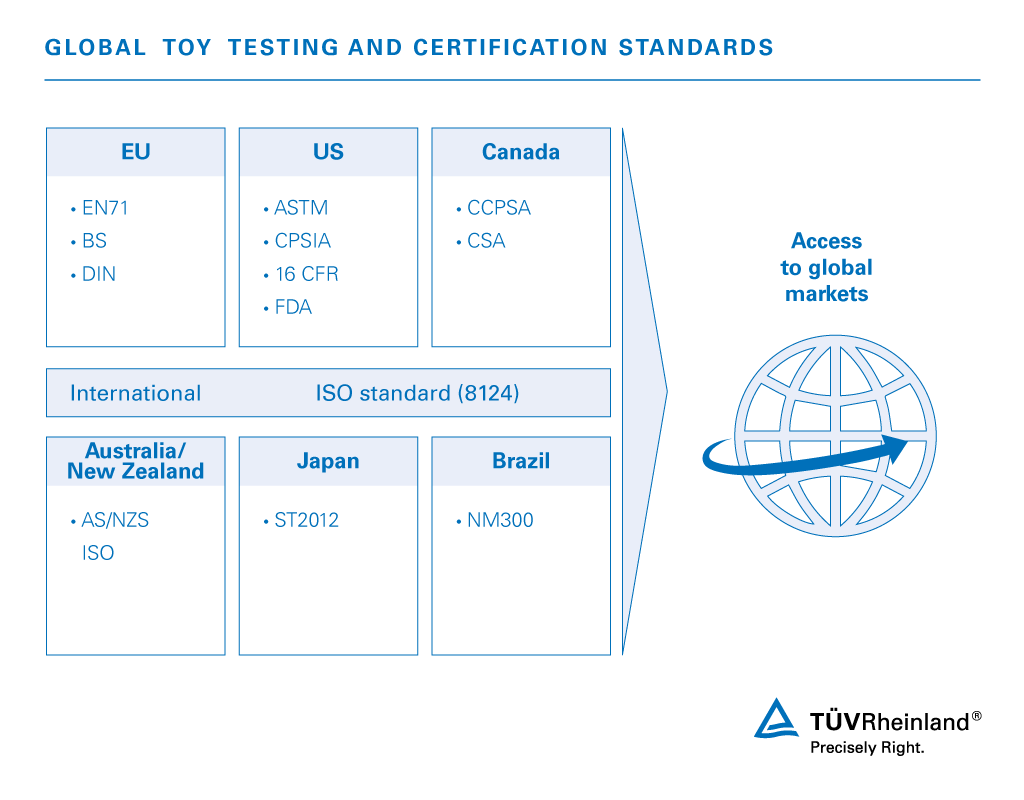
Our experts test your toys against all relevant standards and, if desired, even beyond the minimum legal requirements. Your product is examined using various methods to assess, among other things, its chemical, physical, and electrical properties. In addition, the risks posed by the toy—including flammability, hygiene, and electromagnetic compatibility—are also tested.
We also offer our testing and certification services worldwide and in accordance with local guidelines. This means that we test your product in accordance with the requirements of your desired target market. In this way, we support you in entering international markets.
For more information on this and on the additional services we offer, please visit the information page for our Market Access Services.
FAQ
Downloads
| Examination Sheet Toys | 1 MB | Download | |
| FAQ – Toy Testing | 139 KB | Download | |
| Infosheet – Risk Assessment for Toys | 338 KB | Download | |
| Infosheet – Play Performance | 723 KB | Download | |
| Infosheet – Excellent Play Value | 514 KB | Download | |
| Infosheet – Asbestos in Toys | 132 KB | Download | |
| Infosheet – Recycled Plastics in Toys | 151 KB | Download | |
| Infosheet – Explanatory Guide for the restriction of microplastics | 129 KB | Download | |
| Infoshett – Revision of the European CLP Regulation | 55 KB | Download |
Contact