TÜV Rheinland Introduces New Testing Service Supporting Traceability of Battery Energy Storage Systems
Cologne | 05 February, 2026
Battery Energy Storage Systems as key to energy transition / New EU regulations increase requirements for supply chains / TÜV Rheinland introduces new testing service / www.tuv.com/battery-energy-storage-systems
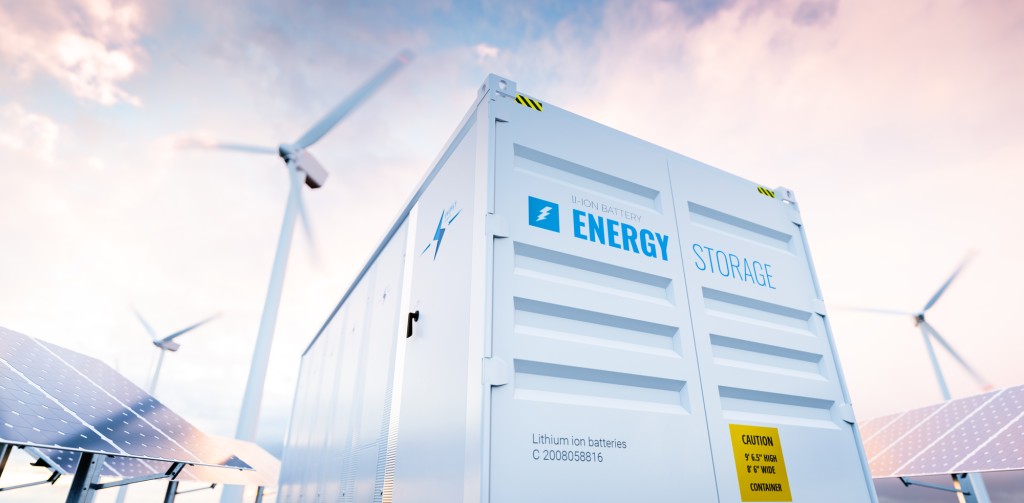
Renewable energies are a central pillar of the energy transition. However, when the wind isn’t blowing or the sun isn’t shining, powerful energy storage systems are needed to ensure a reliable supply of electricity. Battery Energy Storage Systems (BESS) store electrical energy and release it when needed – for example, in grid infrastructures, industrial plants, data centers, or charging parks.
As a key technology in the energy transition, BESS are increasingly in the focus of policymakers, investors, and the public. This growing attention is also driving higher expectations regarding sustainability, transparent supply chains, and compliance with regulatory requirements.
Traceability Across the Entire BESS Supply Chain
To enable companies and investors to meet these requirements, TÜV Rheinland has developed a new testing service for the traceability of Battery Energy Storage Systems. The underlying standard (2 PfG 3140/07.2025) makes it possible to track materials and processes throughout the entire supply chain. This includes raw material extraction, enabling companies to track where lithium, cobalt, nickel, and other materials are sourced, refined, and processed. The new service aims to enhance traceability across the entire supply chain, including subsequent stages of cell and module production.
Meanwhile, TÜV Rheinland evaluates management systems, digital goods and production data, as well as transactions, transport, and the manufacturing of the battery energy storage system. Where necessary, on-site audits or batch tests are conducted to support continuous improvement and alignment with regulatory requirements. By building a consistent and verifiable evidence base, the origin of the materials used can be traced more effectively.
New standard for the industry
Traceability is becoming increasingly important for operators, project developers, and investors. For example, investors often want evidence that companies document and assess environmental, social, and governance risks in their procurement. "With our testing service, we are setting a new benchmark for traceability in the battery industry," says Maximilian Lieberz, Business Development Manager at TÜV Rheinland. "This enables companies and investors to meet growing sustainability and compliance requirements and position themselves as pioneers in a dynamic market."
Further information about the new service and the future of battery energy storage systems will be available in a webinar on February 10, 2026: Webinar registration
Your contact for editorial inquiries:

TÜV Rheinland, Press Office
Tel.: +49 221 806-21 48
Press releases as well as photo and video footage
are available on request by email